EPS

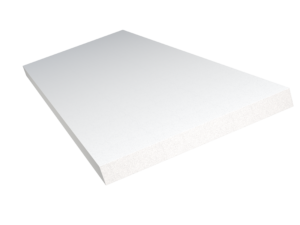
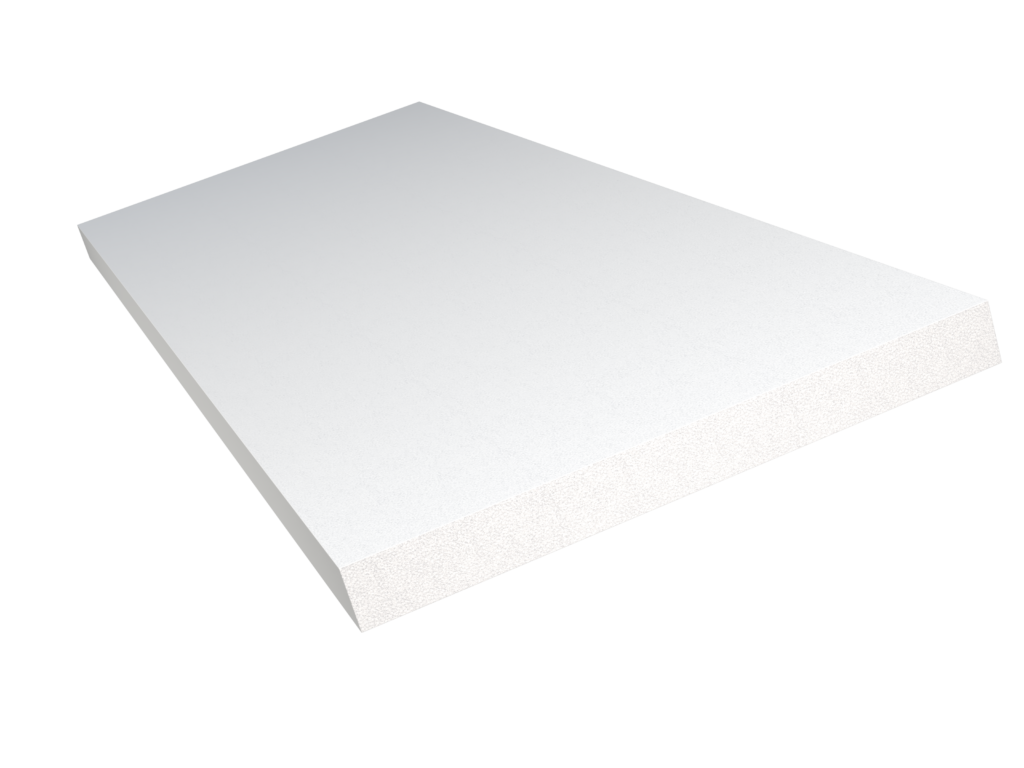
Hytherm SD White


Expanded Polystyrene Insulation Board
Hytherm HD White is a rigid polystyrene insulation board cut from molded blocks of white EPS (Warm-R) or with grey graphite enhancement to insulate your building

Call the technical team today 0371 222 1055

What Is a U-Value? (Thermal Transmittance Explained)

A U-Value measures the rate of heat transfer through a building element, such as a roof, wall, window, door, or floor. In building physics, it represents the thermal transmittance of a construction assembly and is defined as the inverse of the total thermal resistance (R-value) of all layers within that element.

In simple terms, the U-Value indicates how much heat flows through a material or structure from a warm area to a colder area. It is a key metric used to evaluate the thermal performance and energy efficiency of building components.

How do U-Values Work?

Heat naturally moves from warmer spaces to cooler ones. The U-Value quantifies the amount of heat lost or gained through a building component per unit area for each degree of temperature difference across it.

What are U-Values are measured in?

W/m²K (watts per square metre kelvin)

This unit describes how many watts of heat pass through one square metre of a structure for every 1-degree temperature difference between the inside and outside environments.

Example of a U-Value: A wall panel with a U-Value of 0.15 W/m²K means that 0.15 watts of heat will transfer through each square metre of the wall for every 1°C difference between indoor and outdoor temperatures.

Factors That Affect U-Values

Several factors influence the U-Value of a building element, including:

  • Type of insulation material
  • Thickness of insulation layers
  • Density and thermal conductivity of materials
  • Air gaps or cavities within the construction
  • Thermal bridges caused by structural elements
  • Surface resistances and material finishes

Optimising these factors helps reduce heat loss and improve overall building performance.

What is EPS insulation?

EPS is an Expanded Polystyrene Insulation made from foam beads that is rigid and lightweight in its make-up.

EPS is a closed cell, foam material from solid beads of polystyrene. The gas within the polystyrene beads expands when heat from steam is applied which forms the closed cells of EPS. The beads mould together to form insulation blocks, which the insulation board is cut from.

At Unilin Insulation, we provide two types of EPS insulation, Warm-R and Hytherm.

Warm-R insulation a grey expanded polystyrene (EPS) containing integrated graphite/carbon enhancement within the cellstructure that reflects and absorbs radiant heat and is a lightweight, versatile insulation material used in construction

Hytherminsulation is a white standard expanded polystyrene (EPS) which is a lightweight, versatile insulation material used in construction.

Where can you use EPS insulation?

EPS insulation can be used in many applications. Unilin provide EPS for External wall and floor applications, providing options in a range of dimensions.

How does EPS work?

EPS insulation works by reducing the transfer of heat through a building’s walls and floors.

R-value

A low lambda value(Thermal conductivity) results in a high R-value or thermal resistance, a measure by which we assess specific insulation products in relation to their insulation thickness. This thermal resistance quantifies the area and temperature difference needed to transfer 1W of heat energy. The higher the R-value, the lower the amount of heat loss.

The low lambda value of EPS means that anyone working with the product can insulate a building comfortably thanks to its thickness while optimising the energy performance.

With EPS, you can make efficient use of the space available to you. Since you need less insulation material overall, this is the definition of a smart investment.

Join our mailing list.

Stay informed of the latest developments with the Unilin Insulation mailing list

Subscribe

Resources

Have a look at our brochures, technical files and other documents