Thin-R

XT/CW (T&G)


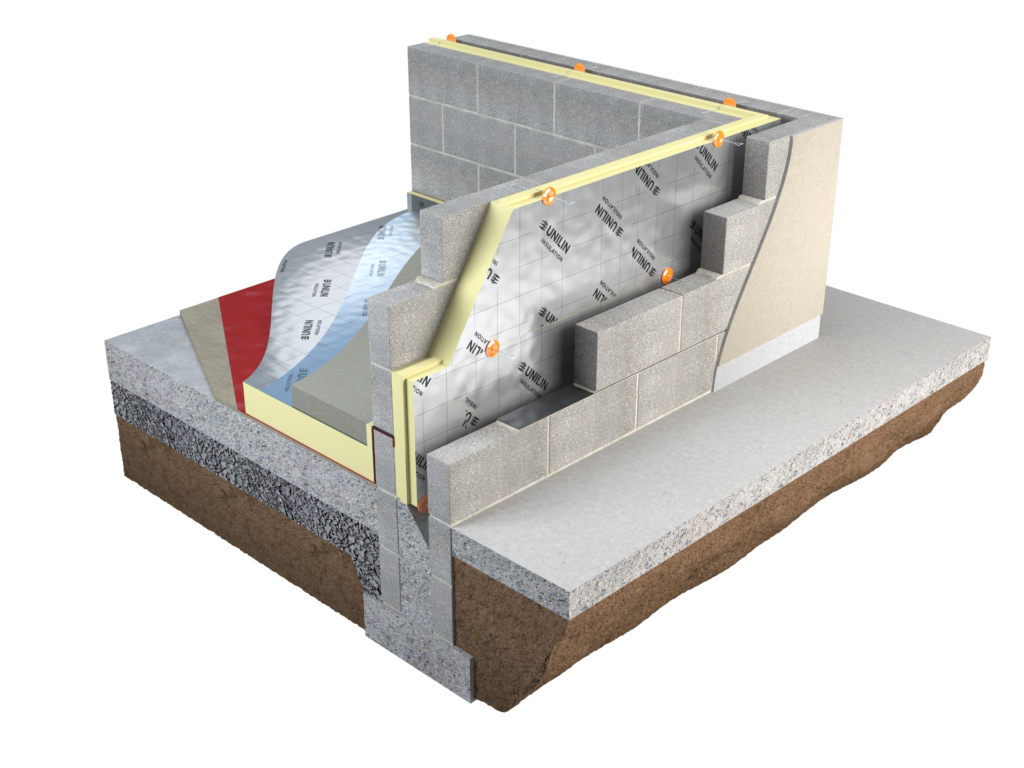
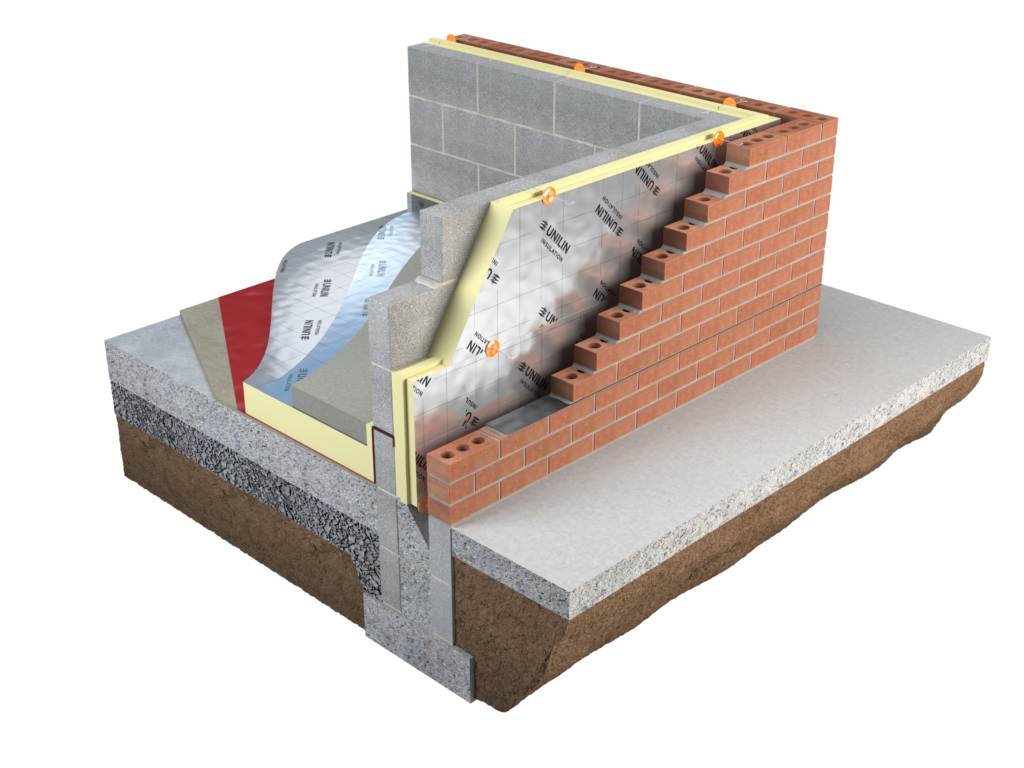
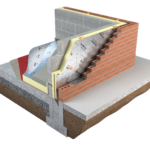
Partial fill cavity wall insulation
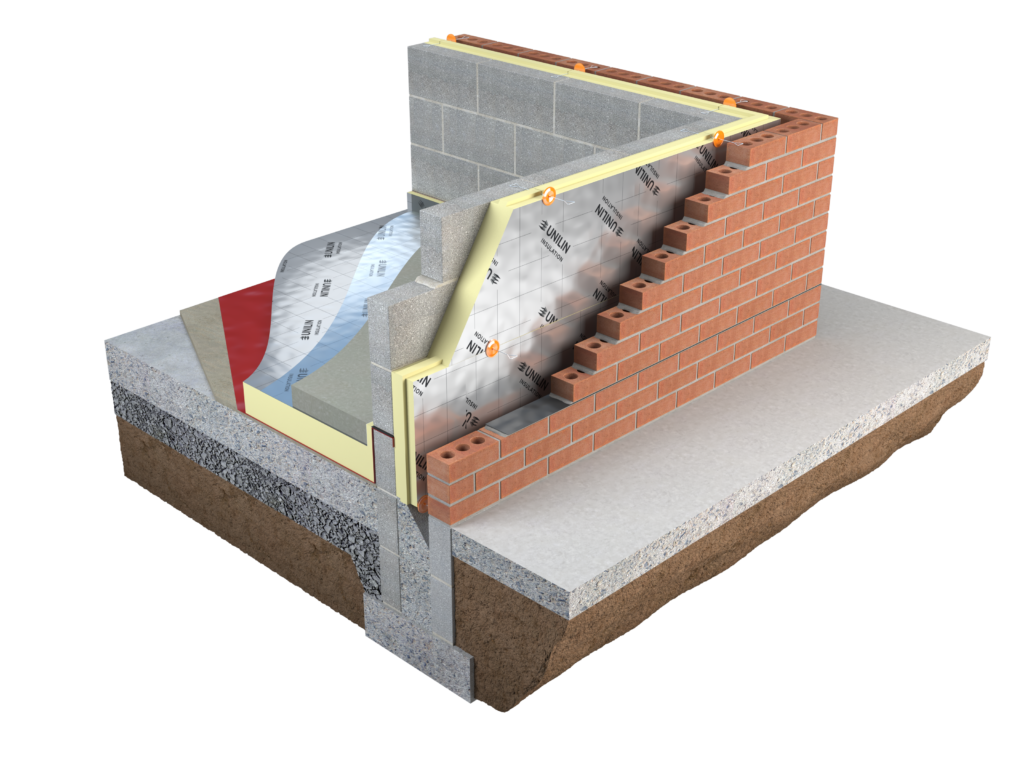
Unilin Insulation XTCW image

Key Points

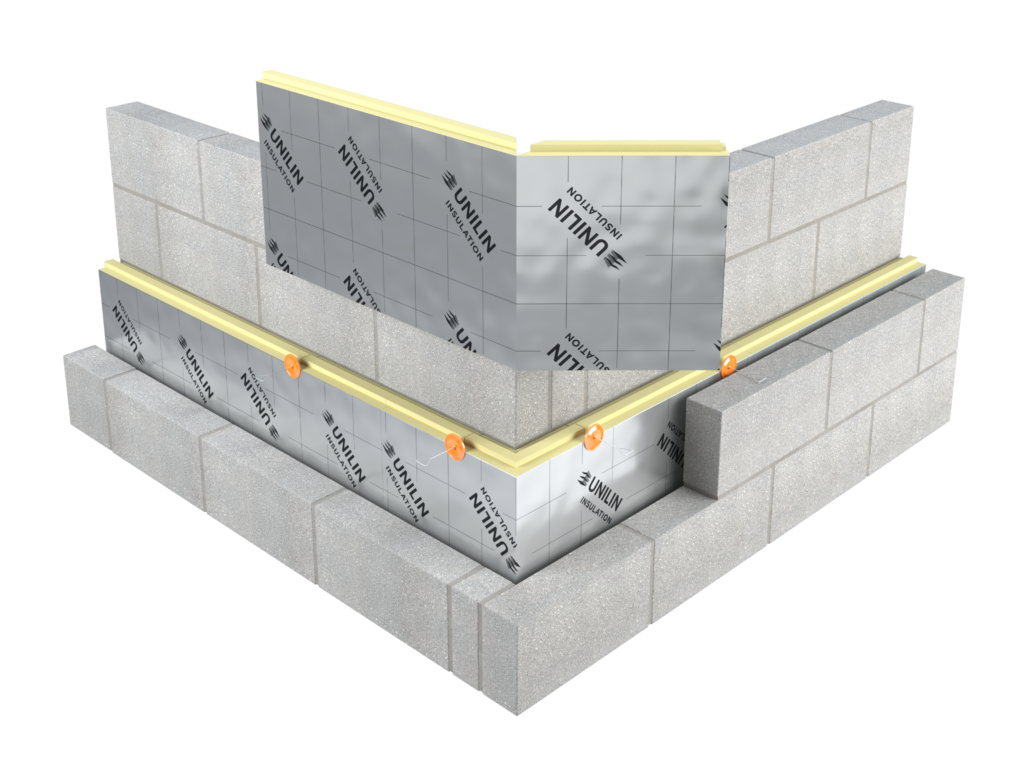
Tongue and groove jointing

Corner panels & Cavity closers

Clear Cavity Maintained

Composite foil facings

No Exposure Restrictions

Call the technical team today 0371 222 1055

What is PIR insulation?

PIR or Polyisocyanurate insulation is a foam insulation which can be used in many  applications including walls, floors and roofs. Unilin Insulation offer a PIR Insulation  range called Thin-R, with a certified thermal conductivity as low as 0.022 W/mK.  Thin-R is also available with engineered jointing to provide improved continuity and thermal bridging performance. 

PU is the collective name for both polyurethane (PUR) and polyisocyanurate (PIR).  Although PUR was a popular insulation option, PIR is considered an upgrade to  PUR. PU solutions are characterised by their fine closed-cell foam structures. The fine microstructure forms a strong insulating barrier, which greatly impedes the conduction of heat (and cold) and is an efficient insulation choice.

Where can you use PIR insulation?

PIR insulation boards prove their worth everywhere. From the roof and attic to the walls and floor of a building, you can always create an insulated system with PIR. 

PIR insulation has a low thermal conductivity, delivering enhanced thermal performance and allowing significantly thinner installations compared with alternative insulation materials such as mineral wool.

How does PIR work?

PIR insulation works by reducing the transfer of heat through a building’s walls, roofs, floors, and other structural components.  

in the image below, the heat passes through the saucepan easily, allowing food to cook. whereas, with PIR insulation, heat doesn’t pass through easily, meaning it is a  good thermal insulator. 

As it has a low thermal conductivity it is difficult for heat to pass through it, which  makes it is such a good insulator. 

Unilin Insulation also offers a Bio-Enhanced PIR insulation solution that places  strong emphasis on environmental improvements throughout the manufacturing, delivery, and operational lifecycle of PIR insulation.

By incorporating more  sustainably sourced and environmentally conscious ingredients, ECO360 PIR  represents another significant innovation in PIR insulation manufacturing.

A low lambda value (Thermal conductivity) results in a high R-value or thermal resistance, a measure by which we assess specific insulation products in relation to their insulation thickness. This thermal resistance quantifies the area and temperature difference needed to transfer 1W of heat energy. The higher the R- value, the lower the amount of heat loss.

The low lambda value of PIR means that anyone working with the product can insulate a building comfortably thanks to its thickness while optimising the energy performance. With PIR, you can make the most efficient use of the space available to you. Since you need less insulation material overall, this is the definition of a smart investment.

Thanks to the improved lambda (Thermal conductivity) value, PIR allows you to achieve a target value of R = 4.5 m2K/W even though the insulation is a thin board.

Used to measure thermal transmittance, a U-Value is the inverse of the total thermal resistance of all components of a building element.

For example, a roof, wall, window, door or floor. It measures how much heat transfers through a given area of material from a warm space to a cold space in the building. U-Values can be affected by several factors, such as the type, thickness and density of the insulation material, the presence of air gaps or thermal bridges, and the surface properties of the material.

U-Values are expressed as W/m2K, meaning watts per square metre kelvin. The lower the U-Value, the better.

So, for example, a wall panel with a U-Value of 0.15 W/m2K means that for every square meter of the wall, 0.15 watts of heat will pass through for every 1 degree temperature difference across it. A building’s U-Value is extremely important as there are minimum levels that should be reached according to Building Regulations/Standards.

To further minimise heat loss and reduce the risk of both surface and interstitial condensation, careful detailing during insulation installation is essential. Our cavity wall insulation solutions incorporate engineered tongue-and-groove or rebated edge profiles, which help to reduce thermal bridging, improve continuity of insulation, and enhance overall airtightness. The product range includes XT/CW T&G, XT/CWP T&G, CavityTherm, and Cavityfill systems. In addition, pre-formed corner boards are available to further mitigate heat loss at corner junctions, where thermal bridging commonly occurs.

Thermal bridging within the building fabric can account for up to 30% of total heat loss. Ensuring continuity of insulation, so far as is reasonably practicable, is therefore critical and can significantly reduce heat loss, improve thermal performance, and lead to meaningful reductions in energy bills. While controlling thermal bridging and ensuring correct installation of insulation are critical, airtightness and ventilation must work hand in hand. Everyday activities within the home—such as cooking, showering, drying clothes, and even breathing—generate moisture and airborne pollutants, creating humid and potentially unhealthy internal air.

Without adequate ventilation, this moisture can accumulate, increasing the risk of condensation, mould growth, and deterioration of the building fabric. Simple installation is guaranteed with PIR.

The production of PU insulation uses less than 0.1% of all oil consumed worldwide. On the other hand, the material saves up to 100 times more oil thanks to its insulating properties. As PIR is slim yet effective at insulating a building, you do not need much to achieve your end result. Our insulation is designed and certified to last the lifetime of a building. 

Our company has always been mindful of our impact on the environment and we  strive to act and invest in ways that reduce harm and positively affect our  communities. As part of the global group of Unilin companies, we are combining our  efforts across the world for even greater environmental impact under Unilin’s  ONEHOME strategy. The group-wide approach allows us to direct our resources  where we can make the most impact, to share ideas and learnings, to move forward  more efficiently and to do so at a greater pace.  

OneHome targets real change and is backed by investment to make our  sustainability pledges a reality. 

Unilin Insulation’s investment in R&D is delivering exciting developments in product  properties, performance and circularity, backed by improving Environmental  Performance Declarations (EPDs).  

Science-based targets provide a clearly-defined pathway for companies to reduce  greenhouse gas (GHG) emissions, helping prevent the worst impacts of climate  change and futureproof business growth. Targets are considered ‘science based’ if  they are in line with what the latest climate science deems necessary to meet the  goals of the Paris Agreement – limiting global warming to 1.5°C above pre-industrial  levels. Setting science-based targets is a five-step process that involves official validation of the targets set along with tracking and communication of progress on an annual basis.  

We are committed to developing and promoting sustainable low energy design in  construction. Meeting Passive or nZEB Standards requires us all to think and deliver  differently. We continually improve and adapt to the challenge, gaining in-depth  knowledge and sharing those technical aspects with industry. The Climate  Emergency necessitates an accelerated drive for reducing our own impact and the  impact of the projects we work on in terms of operational energy and embodied  carbon. We welcome the growing industry momentum for performances beyond  Building Regulations such as the Climate Challenge 2030 and by groups such as  LETI. 

Reaction to fire for insulation describes how a material responds when exposed to  fire, by the European Euroclass system from A1 (non-combustible) to F. The  classification includes additional criteria for smoke production (s1, s2, s3) and  flaming droplets (d0, d1, d2) to assess a material’s performance. This is different  from “fire resistance,” which measures how long an entire building element can maintain its structural function, integrity, and thermal insulation during a fire. 

Fire resistance refers to the behaviour of a structural component during a fully developed fire. European classification is based on an evaluation of three sub-aspects: load-bearing capacity (R), flame resistance (E) and insulating capacity (I). 

Join our mailing list.

Stay informed of the latest developments with the Unilin Insulation mailing list

Subscribe

Resources

Have a look at our brochures, technical files and other documents