CavityTherm

CT/PIR


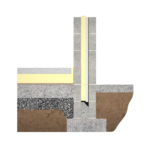
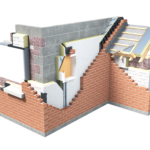
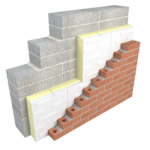
CT PIR Cavitytherm Built-in Full Fill Wall Insulation
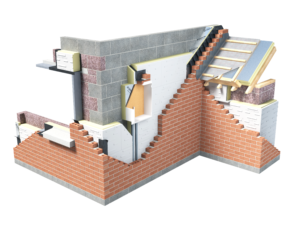
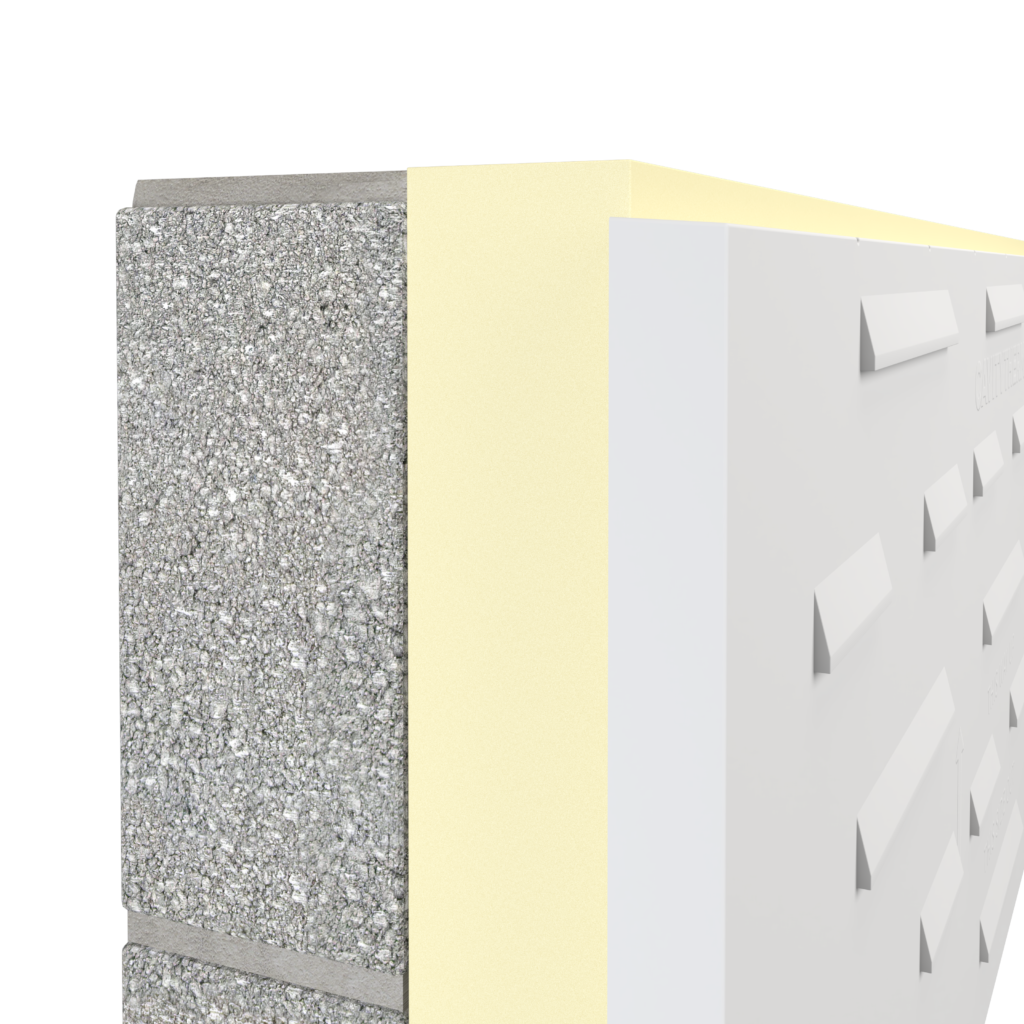
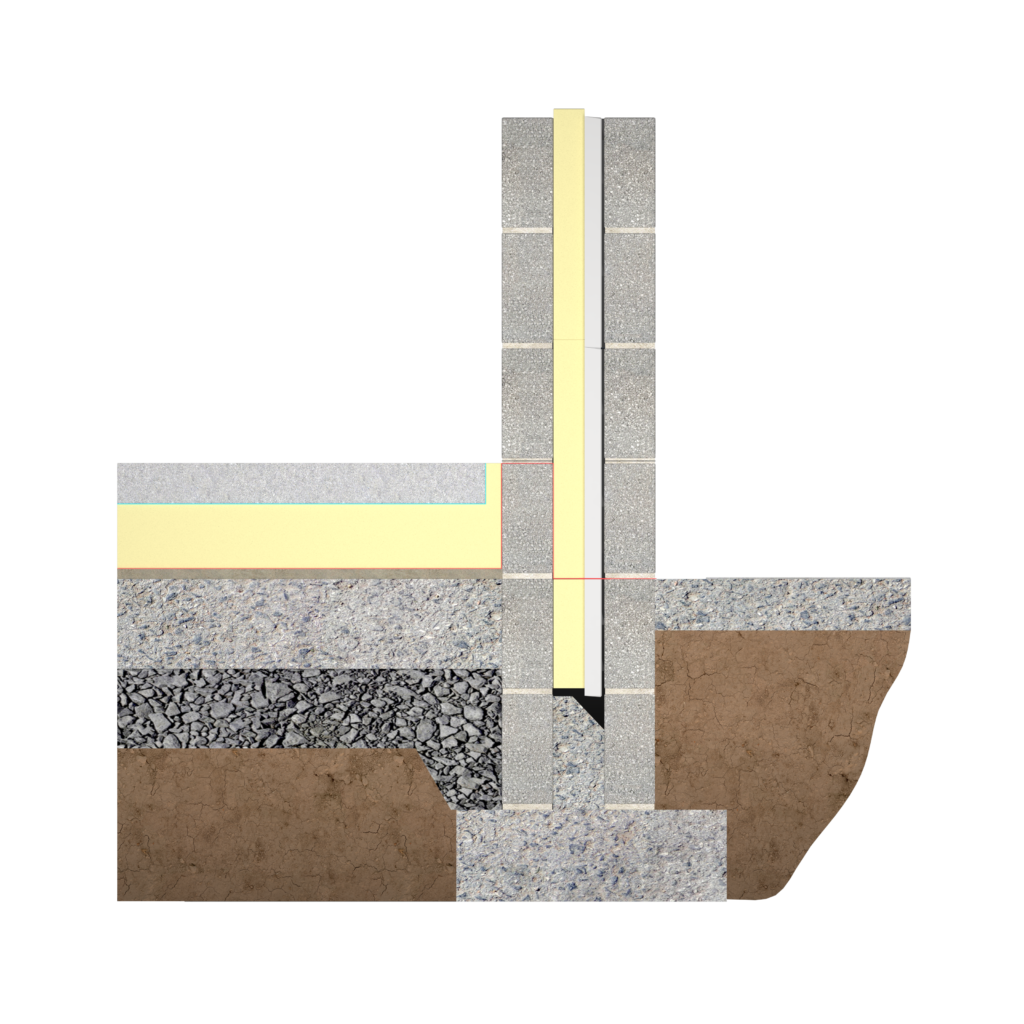
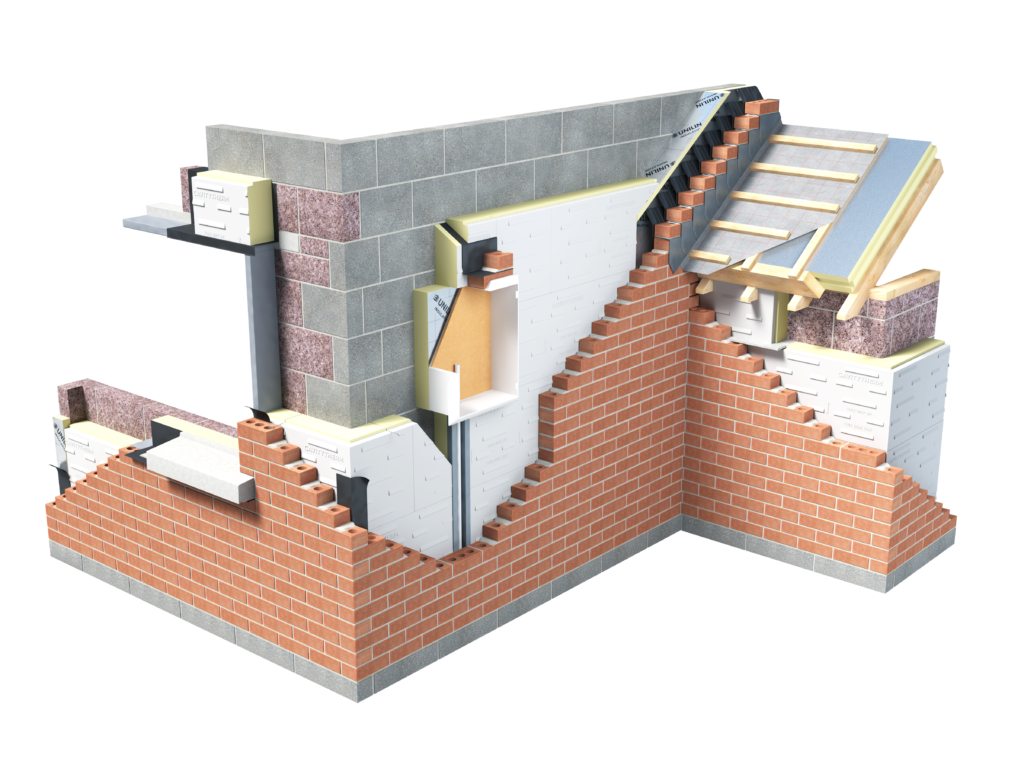
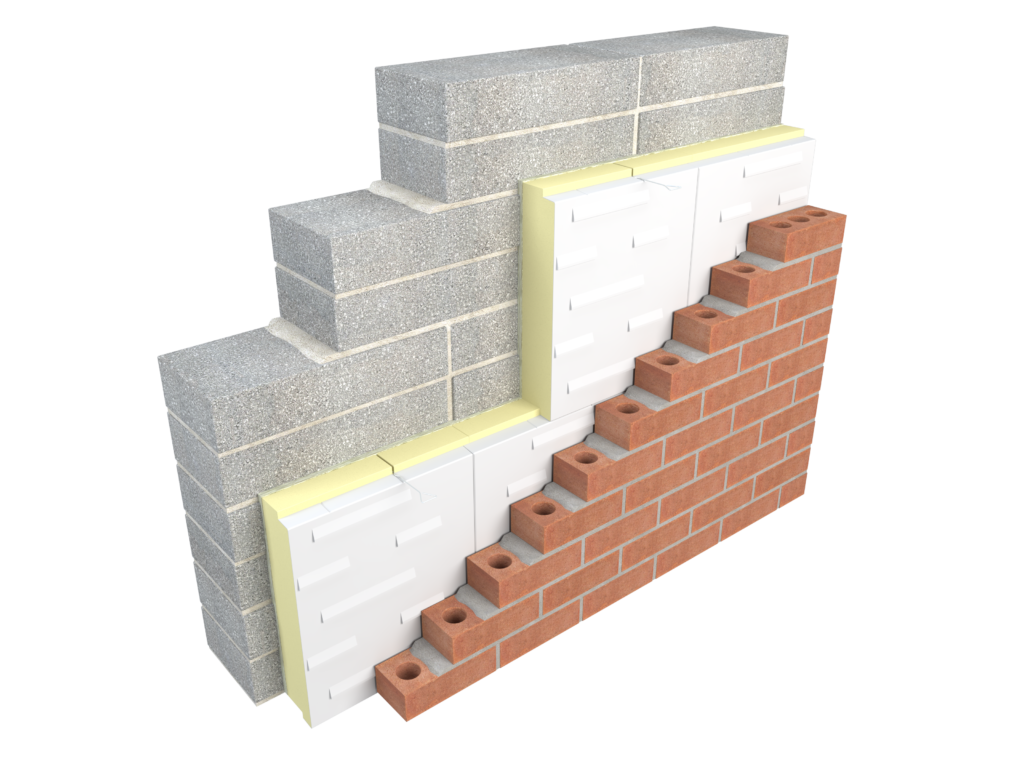
Cavitytherm CT PIR Insulation build up

Key Points

Engineered HIPs facer provides wind driven rain protection

Improved Thermal Bridging Values

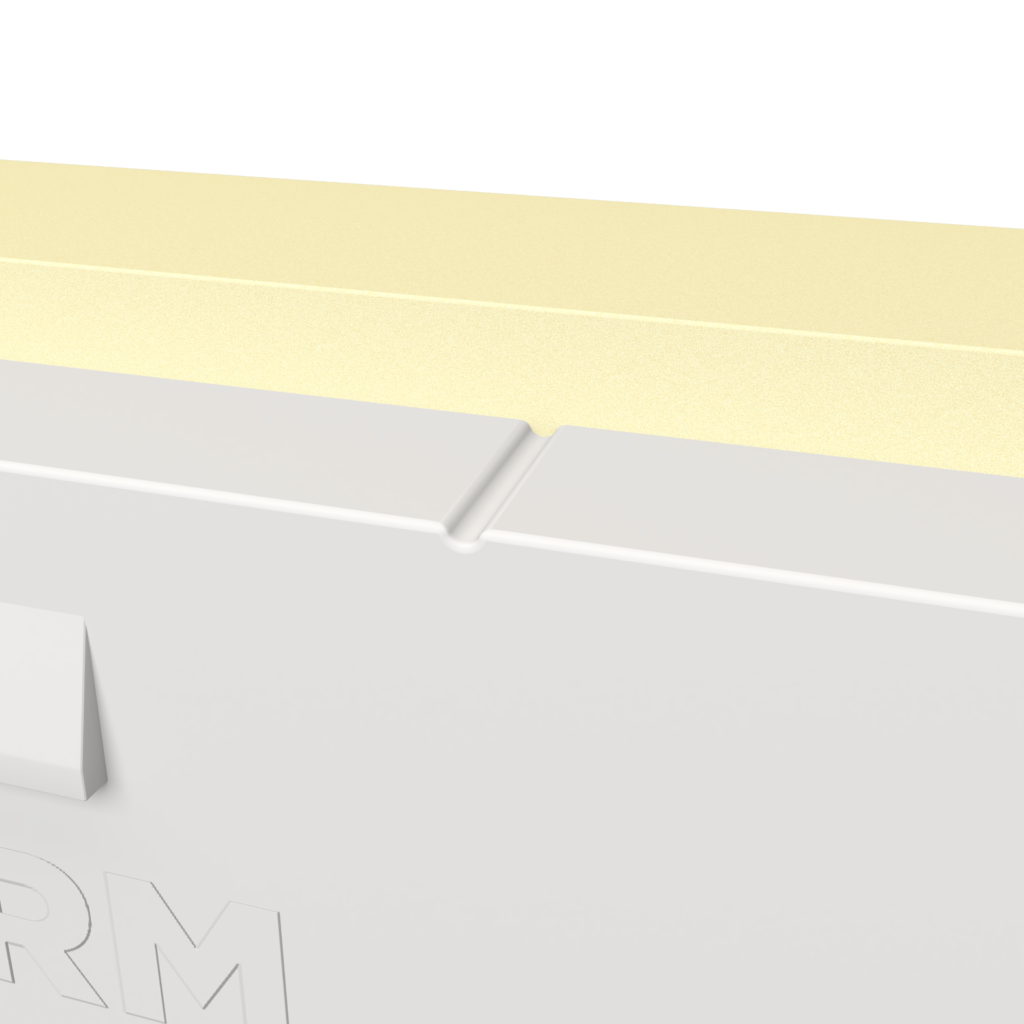
Fully engineered jointing – no reliance on taping

Full range of accessory pieces help build continuous system

Call the Technical Team today 0371 222 1055

You recommend the use of a ‘CavityBoard’ – what is that?

What is CavityTherm?

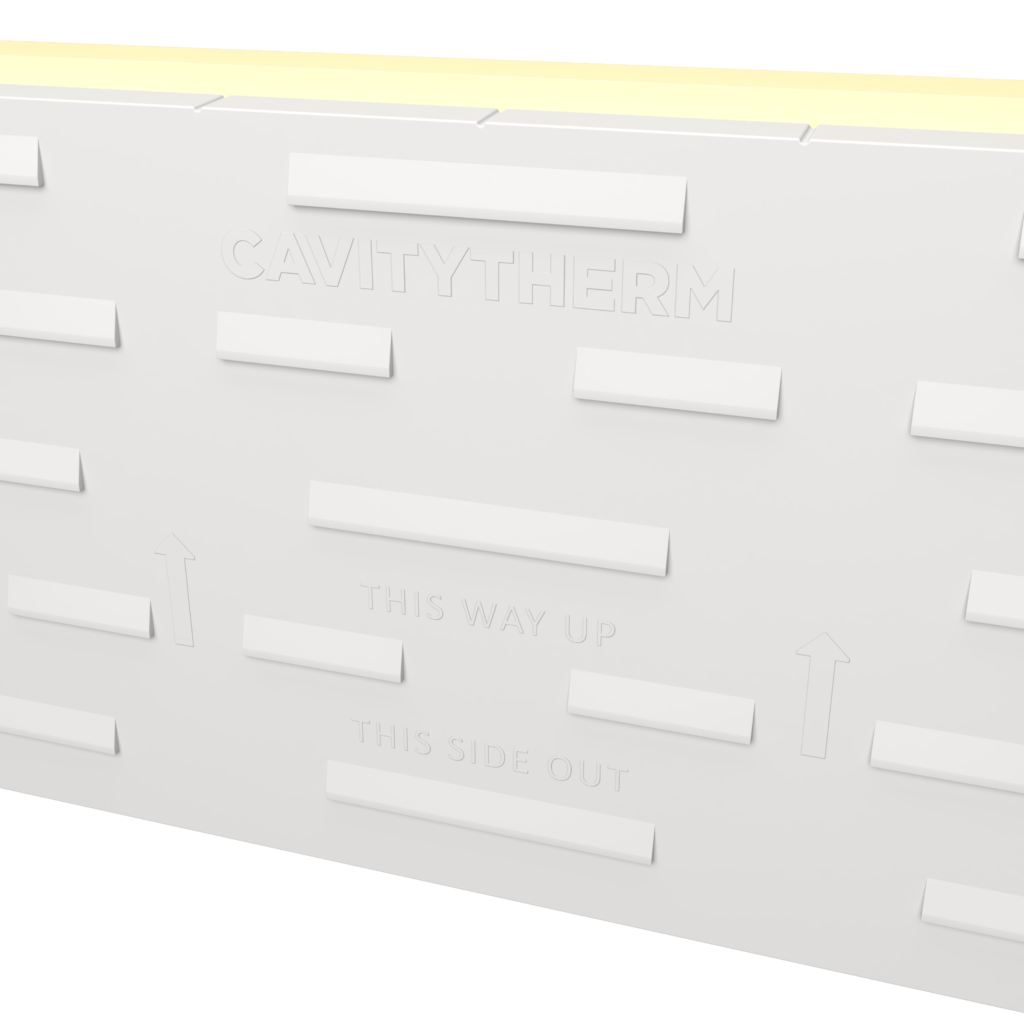
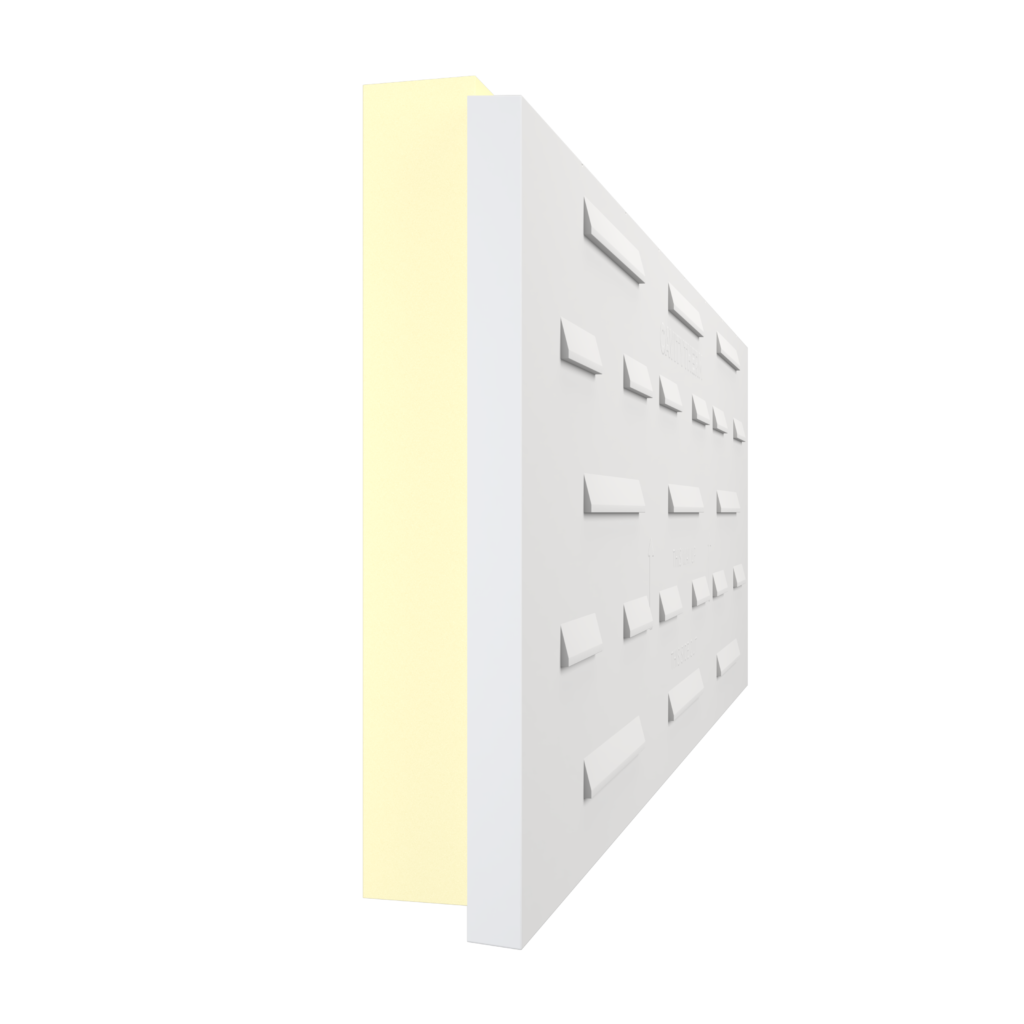
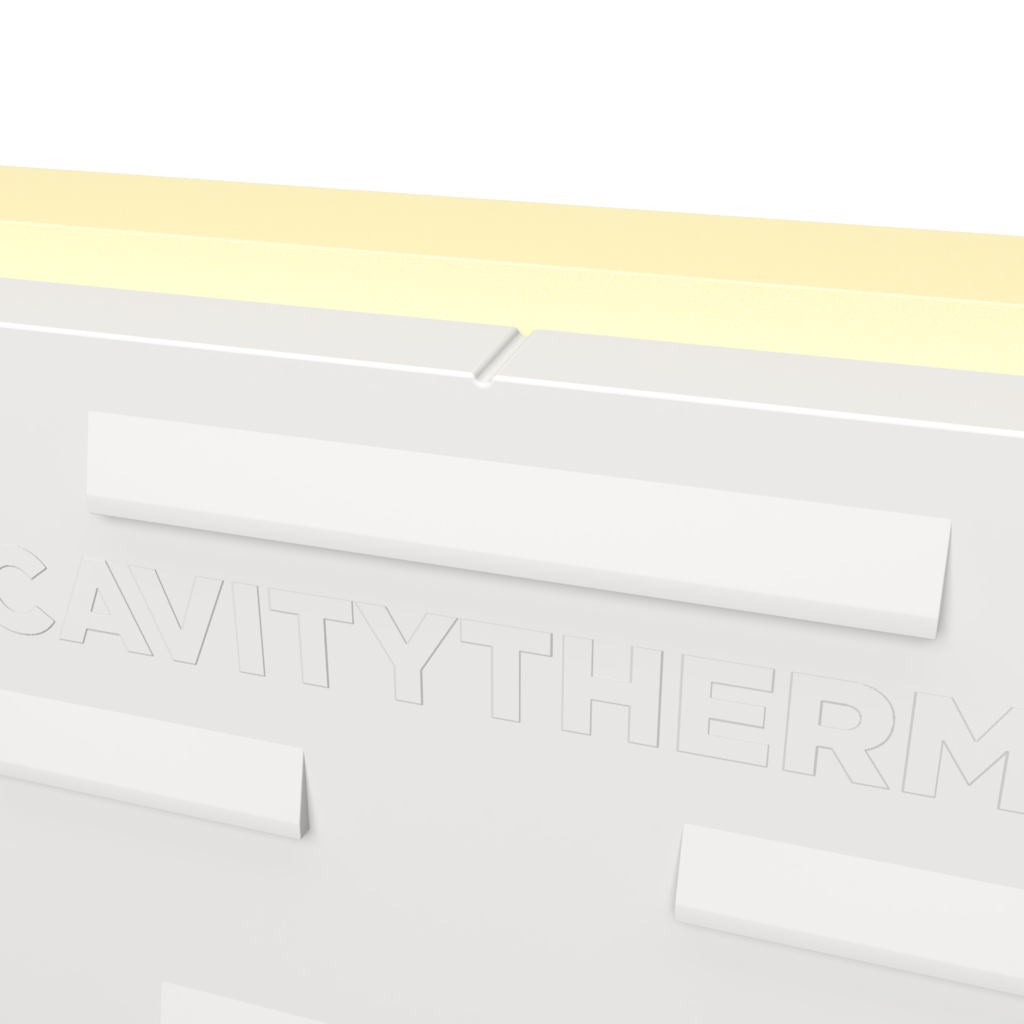
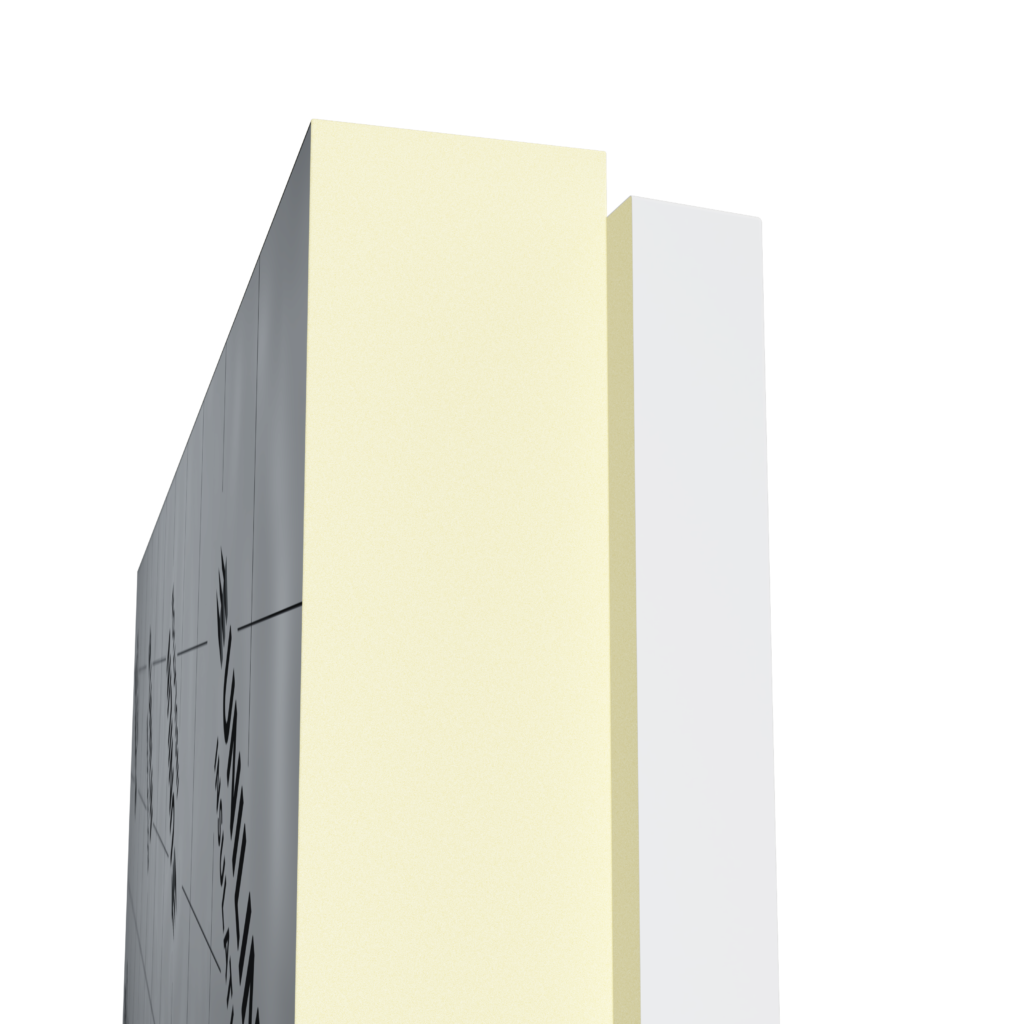
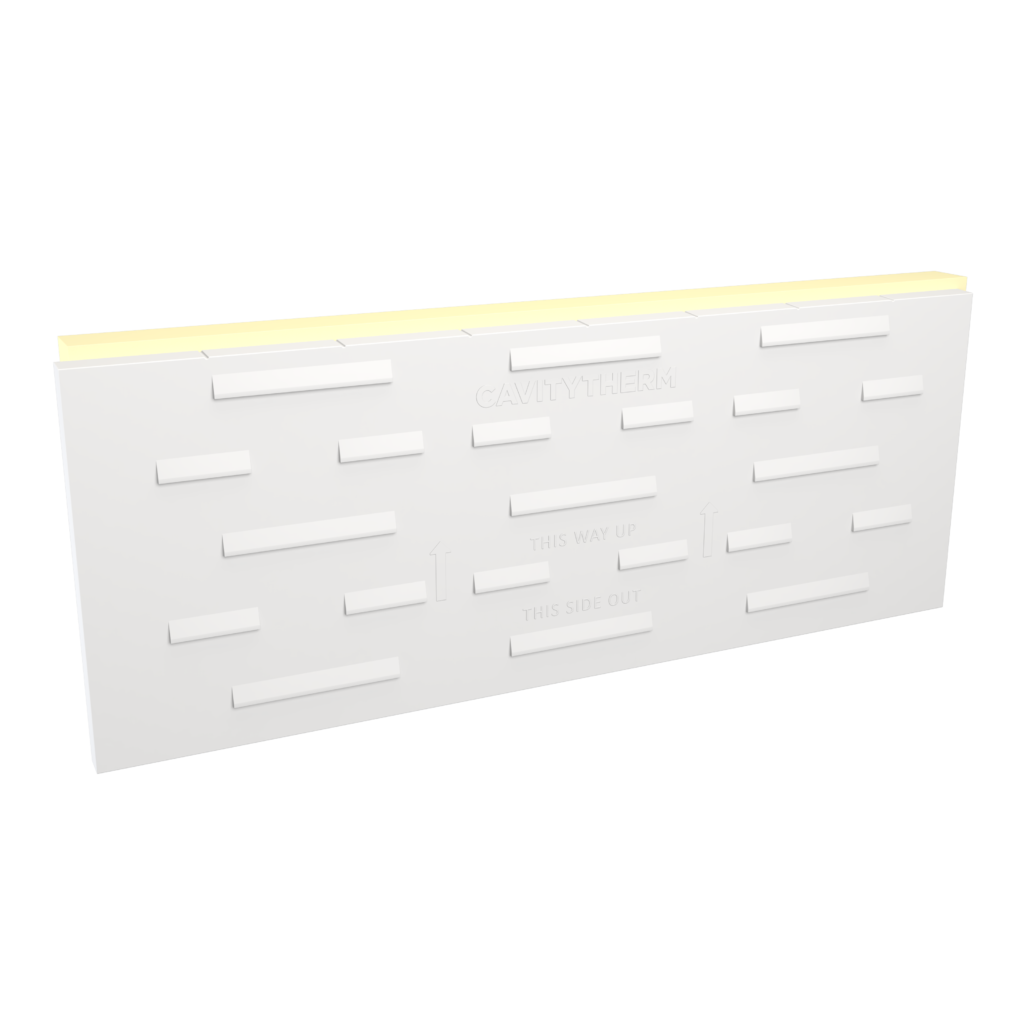
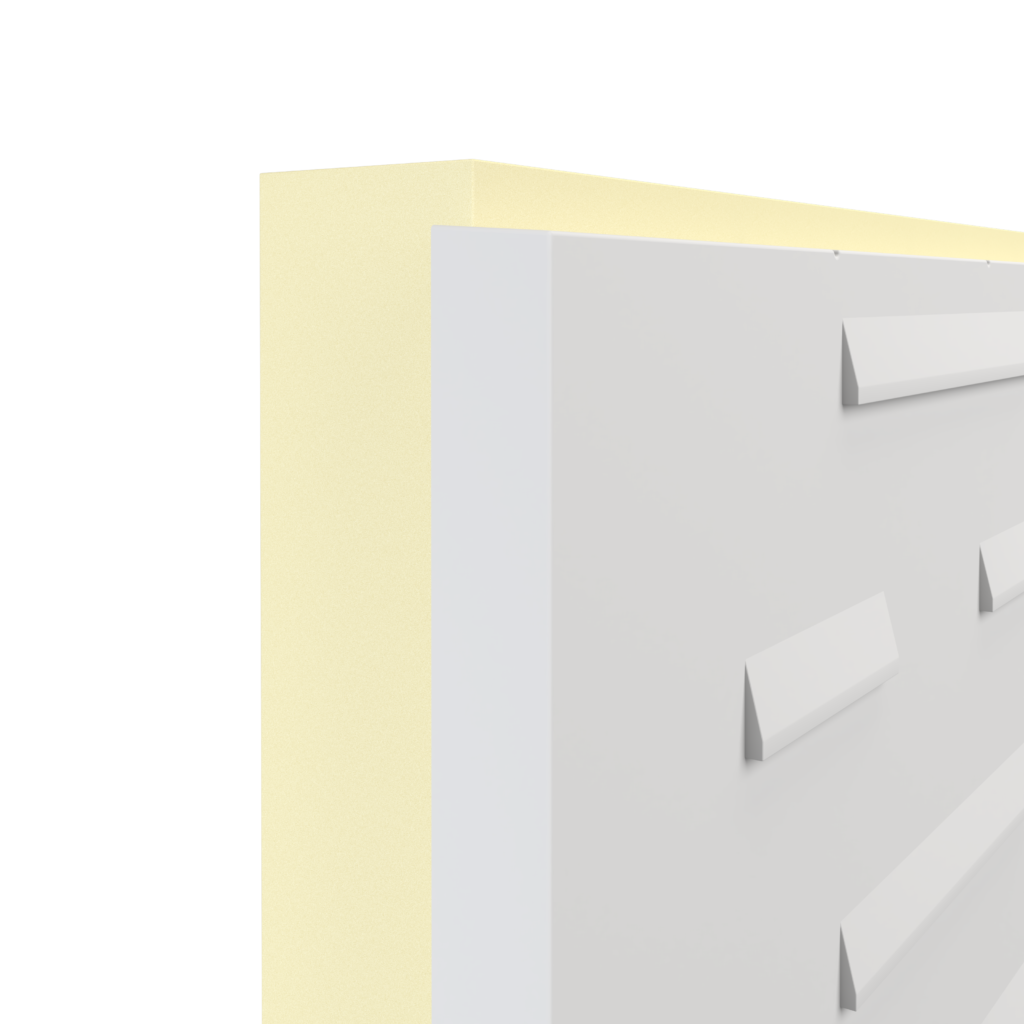
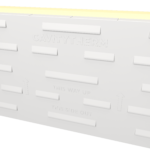
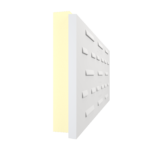
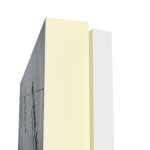
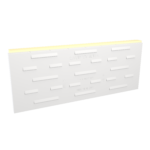
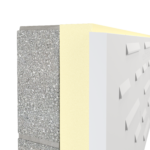
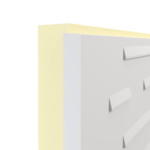
CavityTherm wall insulation board is a composite board of PIR core with a Lambda value of 0.021 W/mK. The boards have gas-tight facings with one face bonded to a profiled HIPS skin during manufacture to provide a drainage plane. CavityTherm’s unique profiled facing directs any moisture that might have penetrated the external wall down the protective facing and back onto the external leaf. The board includes specifically designed rebated edge detailing on all four edges to allow the system to tightly interlock when installed.

What wall ties do I use with CavityTherm?

Standard S/S wire wall ties are used with CavityTherm. At up to 5 ties/m2 the thermal impact is negligible because the cavity is kept to a reasonable width. Pushing the cavity wider and adding greater amounts of insulation will necessitate low conductivity ties, and result in worse Thermal Bridging at junctions. It is for this reason that a U-Value of around 0.15W/m2K is seen as optimum by regulations and Passive House.

Why slope the wall ties down to the outer face?

This is not specific to CavityTherm, all wall ties in any construction should slope slightly down to prevent water from travelling along the wall ties into the construction. Wall ties must be kept clean and free of mortar. What thicknesses of CavityTherm are available? CavityTherm is manufactured for 100mm,110mm, 125mm and 150mm cavities, and achieves U-Values as low as 0.12 W/m2K. Greater thicknesses may be available, subject to quantity and lead time.

CavityTherm has a lot of accessories as part of the ‘system’, what are they for?

An improved wall U-Value is not the only item that must be addressed to achieve a Low Carbon Fabric. Airtightness and thermal bridging must also be improved. Thermal Bridging is in fact, just ‘good detailing’ and is accounted for in SAP. Unilin is the only insulation board manufacturer that addresses gaps or breaks within the continuity of the insulation layer. How do you detail insulation around stepped cavity trays, periscope vents in suspended floors or at corners, or meter boxes? Unilin has developed bespoke insulatedpieces to ensure that these details are well insulated to avoid thermal bridging and possible condensation mould growth.

CavityTherm addresses thermal bridging, but how do I use this in my SAP calculation?

All of the details available to download from unilininsulation.co.uk have been based on the UK Accredited Details For Construction published by theDLUHC. These are standard details that have been accounted for in SAP for many years. What Unilin has done is just replace the conventional insulation included within them with CavityTherm. This has vastly improved the resultant thermal transmittance through all the specified junctions; corners, wall/floor, reveals, etc., and will deliver a Y-Value for most dwellings below the 0.05 target asked for under Part L. Unilin has fully BRE qualified Thermal Bridging assessors with the added assurance that the technical team members you speak with are fully trained. U-Value and condensation risk analysis calculations arecovered by the BBA/TIMSA competency scheme.

Is there a benefit in the ‘Engineered edge detail’?

When a board is cut, what tape do I use to make the join?

When two abutting boards are to join, cut the profiled edge from each board and ensure

that they are closely butted. The joint should be sealed. When building the inner leaf first, seal with a waterproof tape. The tape should be applied to a dry surface. When building from the inside, a preparatory self-adhesive jointing strip is available to insert over the join. Any penetrations or small repairs can be made with the tape or sealant.

Any services running through the insulation layer should be sloped to the outside. DPCs should be dressed over services.Contact the membrane manufacturer for further guidance on installation and best practice.

Join our mailing list.

Stay informed of the latest developments with the Unilin Insulation mailing list

Subscribe

Resources

Have a look at our brochures, technical files and other documents